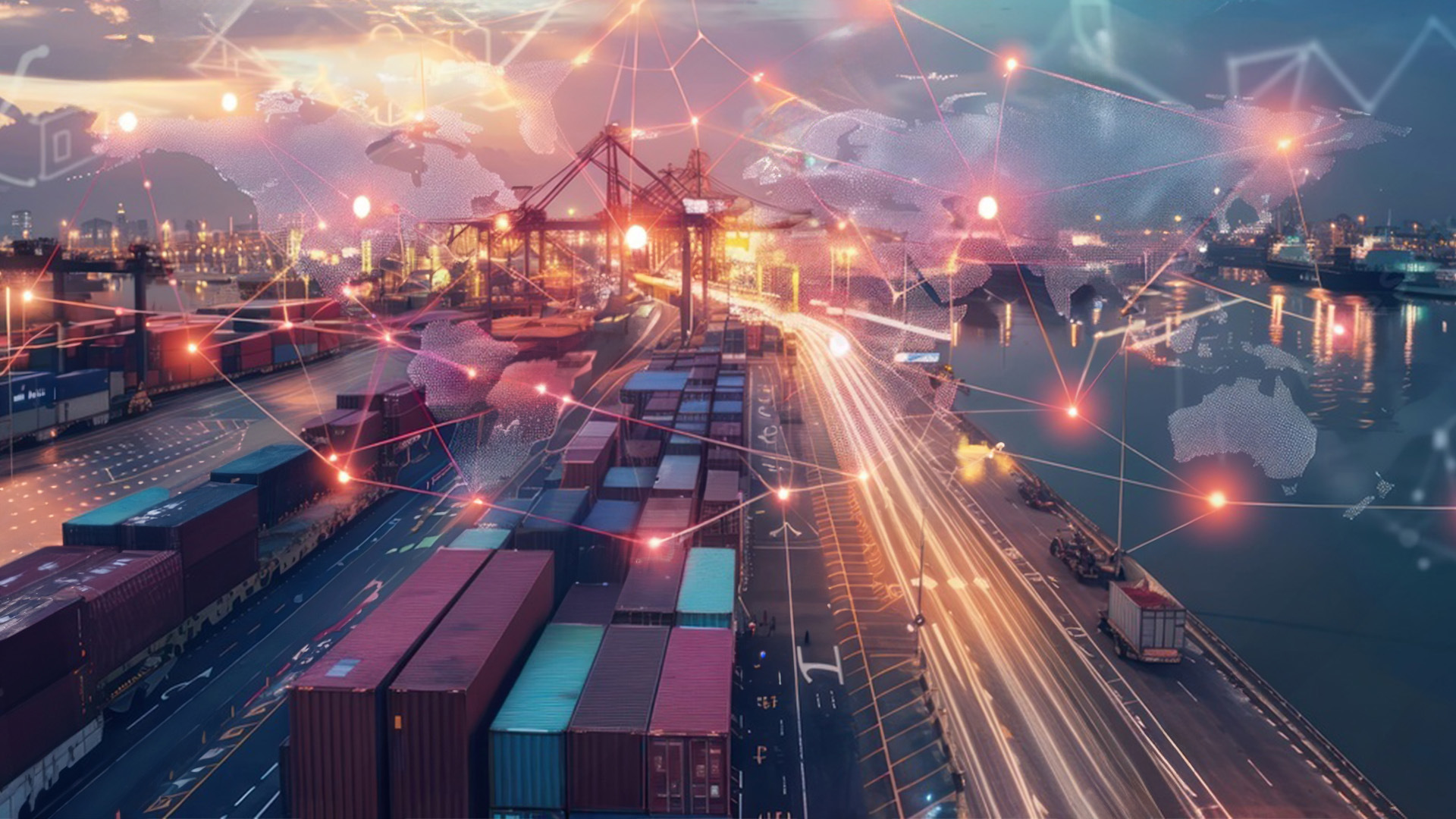
The global supply chain has changed significantly in recent years due to major challenges. Geopolitical tensions, labor shortages, climate change, and fluctuating consumer demand have created a storm of disruptions. As we look to 2025, these issues have deeply affected warehouse operations, forcing a fundamental rethinking of storage systems and strategies.
The Ripple Effect of Supply Chain Disruptions
The global supply chain crisis has created a domino effect on warehouse operations. Delays in shipping, unpredictable inventory levels, and fluctuating demand patterns have pushed warehouses to their limits. Many facilities now store surplus inventory to counter supply chain delays, leading to overcrowding and inefficiencies.
Businesses that once relied on just-in-time (JIT) inventory systems are now shifting to just-in-case (JIC) strategies, keeping extra stock on hand to mitigate the risk of shortages. This shift has overwhelmed traditional storage layouts, making optimization more critical than ever.
Overburdened Warehouses and Storage Limitations
Warehouses face severe storage capacity constraints, trying to accommodate increasing safety stock levels. This overcrowding has a cascading impact on operational efficiency, with slower picking times, increased labor costs, and higher risks of product damage.
Moreover, older storage systems designed for pre-crisis inventory flows are now struggling to adapt. Warehouses must maximize every square foot of space while maintaining accessibility and speed.
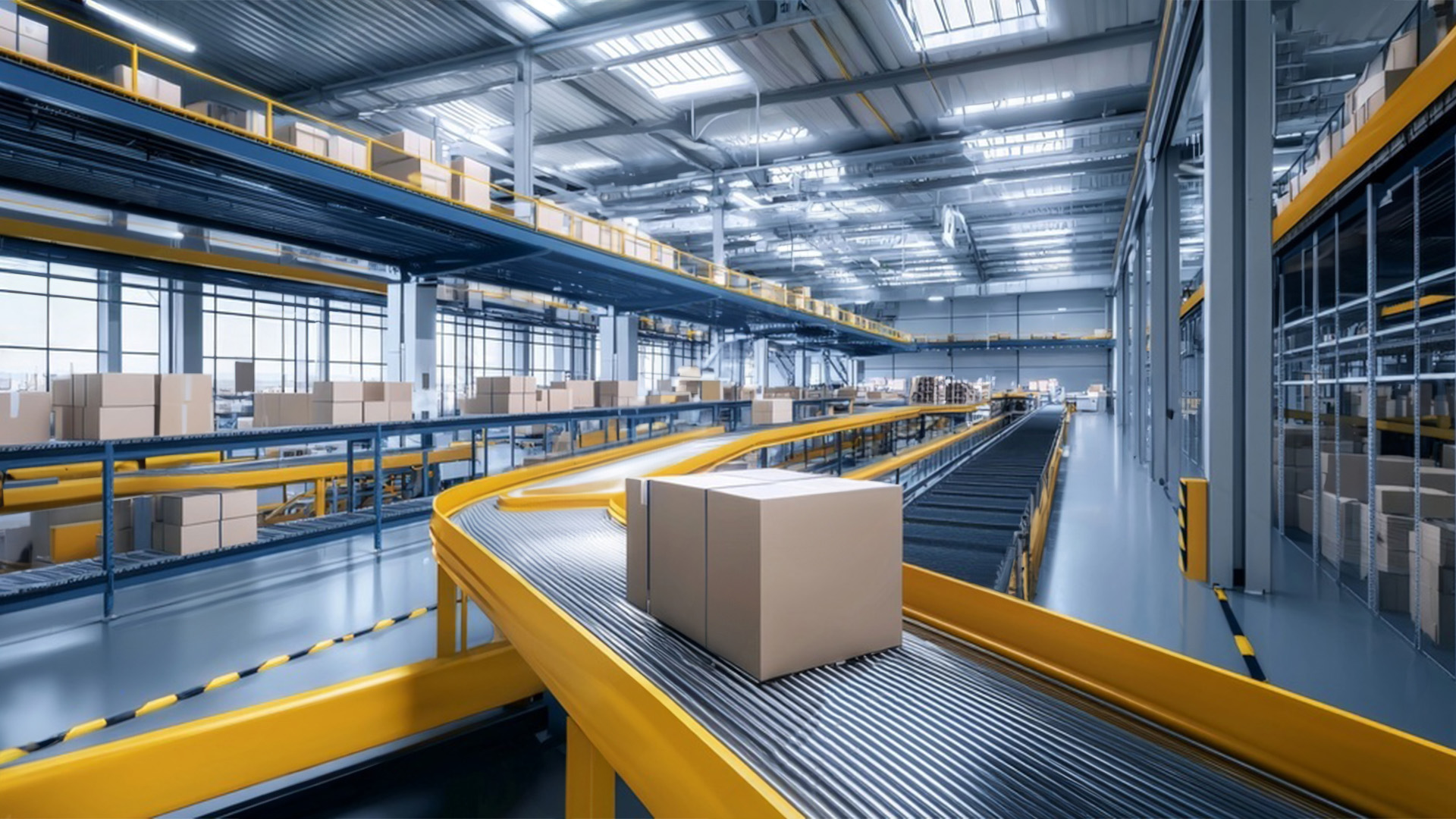
Trends Shaping Warehouse Storage Systems in 2025
To address these challenges, warehouses are turning to innovative solutions. Here are the key trends transforming storage systems:
- Adoption of Artificial Intelligence (AI) and Machine Learning:AI analyzes historical sales data, market trends, and seasonality to predict demand and recommend optimal inventory levels, reducing overstocking or understocking. Machine learning continuously improves forecast accuracy through real-time data and feedback loops, which results in lower carrying costs and minimized stockouts and excess inventory.
- Cold Storage Expansion With the rise of online grocery shopping, demand for temperature-controlled warehouses is surging, and micro fulfillment centres equipped with cold storage near urban areas ensure faster delivery.
- Labor Efficiency Enhancements in Warehousing As warehousing operations become increasingly complex and demand for faster delivery grows, improving labor efficiency has become a critical priority for businesses. Labor efficiency enhancements focus on reducing costs, improving productivity, and ensuring better workforce utilization. Tracks worker productivity in real-time, providing insights into performance and helping managers allocate tasks based on skill sets and workload.
- Real-Time Inventory Management Advanced inventory management systems powered by IoT and cloud technology are gaining real-time tracking of stock levels and locations. Allowing warehouses to optimize storage allocation, reduce overstocking, and prevent product obsolescence.
Global supply chains provide opportunities for change even after facing significant challenges. By adopting cutting-edge storage systems and strategies, warehouses can thrive in an unpredictable world. The future of warehousing is one of resilience, adaptability, and innovation. Warehouses that invest in technology and embrace innovative storage solutions will equipped to manage uncertainty and meet customer demands in 2025 and beyond.
